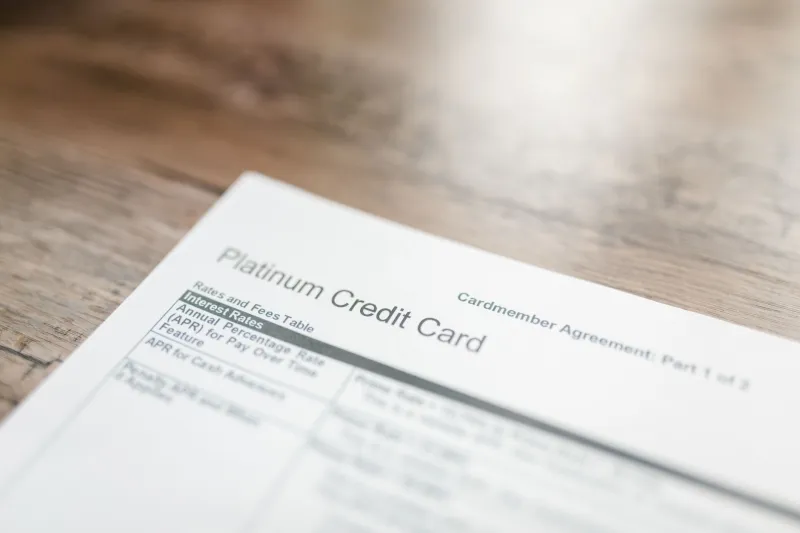
Belt and Braces, Billed Twice: The 2026 Audit for UK Households Paying for the Same Cover
Nobody sets out to buy the same thing twice. It just happens. You add phone insurance because the handset felt expensive. Two years later you upgrade your current account and the new package quietly includes cover for the same device. Both bills keep coming out. Both feel small enough to ignore. And that is exactly how a household ends up paying £15 to £25 a month for a promise it has already bought.
Duplicate cover is one of the dullest leaks in a UK budget, which is why it survives so long. It doesn't announce itself like a price rise or a cancelled service. It just sits there, two identical safety nets, neither of them aware of the other.
Why the overlap happens so often
Bundled products are the main culprit. Packaged bank accounts hand you travel insurance, breakdown cover and mobile phone protection in one monthly fee. Mobile networks sell insurance at the point of sale. Retailers push extended warranties at the till. Streaming services layer ad-free tiers and premium channels on top of plans you already hold. Cloud storage arrives free with a phone, then gets paid for separately when you forget you had it.
The problem is structural rather than stupid. Each subscription was a sensible decision on the day it was made. The audit isn't about blame. It's about making the household's paperwork catch up with reality.
The kitchen-table map
Pick a weekday evening, put everything on one table (or one spreadsheet), and build four columns.
- What is covered — the risk, not the product. Breakdown, handset damage, travel cancellation, data storage, home emergency.
- Who provides it — the actual insurer or supplier, not the brand you bought it from.
- What it costs — monthly or annual, including anything hidden in a bundle fee.
- How it's triggered — the claim route, the excess, and the phone number or app you'd actually use.
Once it's laid out, circle anything appearing twice in column one. That's your shortlist. In most homes it runs to three or four items.
The usual suspects
- Breakdown cover. A standalone policy from one of the motoring organisations sat alongside roadside assistance included in a packaged account.
- Mobile phone insurance. Bought with the handset, then duplicated by a bank account benefit.
- Travel insurance. An annual policy, plus cover inside a current account, plus the free bit that came with a credit card.
- Extended warranties. Sold at the till on a washing machine or TV, overlapping with the manufacturer's guarantee and with the protection you already get on a credit card purchase over £100 under Section 75 of the Consumer Credit Act.
- Cloud storage. An iCloud or Google One plan running alongside storage you're already paying for inside a Microsoft 365 subscription, or bundled with a mobile tariff.
- Streaming add-ons. An ad-free upgrade, a premium channel, or a sports bolt-on bought twice through different routes.
Which one is actually doing the work?
Don't keep the one you've held longest, or the one with the friendliest app. Ask three questions of each pair.
What does the cover actually say? Two policies with the same name can be very different animals. One breakdown policy may cover home start and onward travel; the other may only tow you from a motorway. One phone policy may exclude water damage; the other may not.
What's the excess? A cheap premium with a £150 excess is not automatically better value than a bundled benefit with a £50 excess.
What else does the bundle give you? If the duplicate lives inside a packaged account, cancelling the individual policy may be the wrong move. The account fee might be worth keeping for the other benefits, in which case the standalone policy is the spare.
Five questions before you drop anything
This is the part people rush, and it's the part that costs money.
- Is there an open claim or an incident in progress? Cancel mid-claim and you can complicate a settlement you were entitled to.
- Does the remaining policy have a waiting period? Many travel and gadget policies exclude claims for the first 14 or 30 days.
- Have you declared everything the remaining insurer needs? Pre-existing medical conditions, modifications on a car, a phone bought second-hand.
- Does anything else depend on this subscription? A packaged account might require a minimum monthly deposit; a mobile insurance policy might be tied to the airtime contract.
- Are you mid-term on an annual policy? Cancelling a paid-up annual policy often refunds little or nothing, so it may be worth keeping until renewal and dropping the monthly duplicate instead.
If a claim could ever be affected, ring the insurer that's staying and ask them to confirm, in writing, that you're covered for the scenario you're worried about. That email is worth more than any comparison site.
The timing rule
Set the overlap on purpose. Cancel the spare so that it runs for a week or two beyond the start of the policy you're keeping. Yes, you pay a small amount twice for a fortnight. It buys you a buffer if the surviving policy turns out to exclude something you assumed was included, and it gives you room to reverse course.
Never cancel the day before a renewal, either. Renewal dates are when terms change, and comparing two documents on the same date is far easier than trying to remember what last year's wording said.
Proof of cancellation
Keep a small folder, digital or paper, with:
- the cancellation confirmation, including the date cover ends
- the final direct debit or card payment reference
- the policy documents for whatever you're keeping, saved and dated
- a note of the phone call: who you spoke to, when, and what they said
Check your bank statement two months later. Subscriptions that were supposedly cancelled have a quiet habit of reappearing, usually because a card was updated automatically. If a payment does slip through, that folder makes the refund conversation short. And if a provider drags its feet, the Financial Ombudsman Service exists precisely for this kind of disagreement.
The thirty-minute version
If the full audit feels like a weekend job, start with the two most common overlaps: breakdown cover and phone insurance. Search your statements for twelve months, list anything that looks like protection, and compare. That alone will usually find £100 to £200 a year in a typical UK household.
The principle is simple. A subscription should be the only thing standing between you and a cost you couldn't absorb. If two of them are standing in the same spot, one is just standing in the way.